
Dust & Debt:
How much will utah’s GSL failure Cost you?
A Growing Disaster
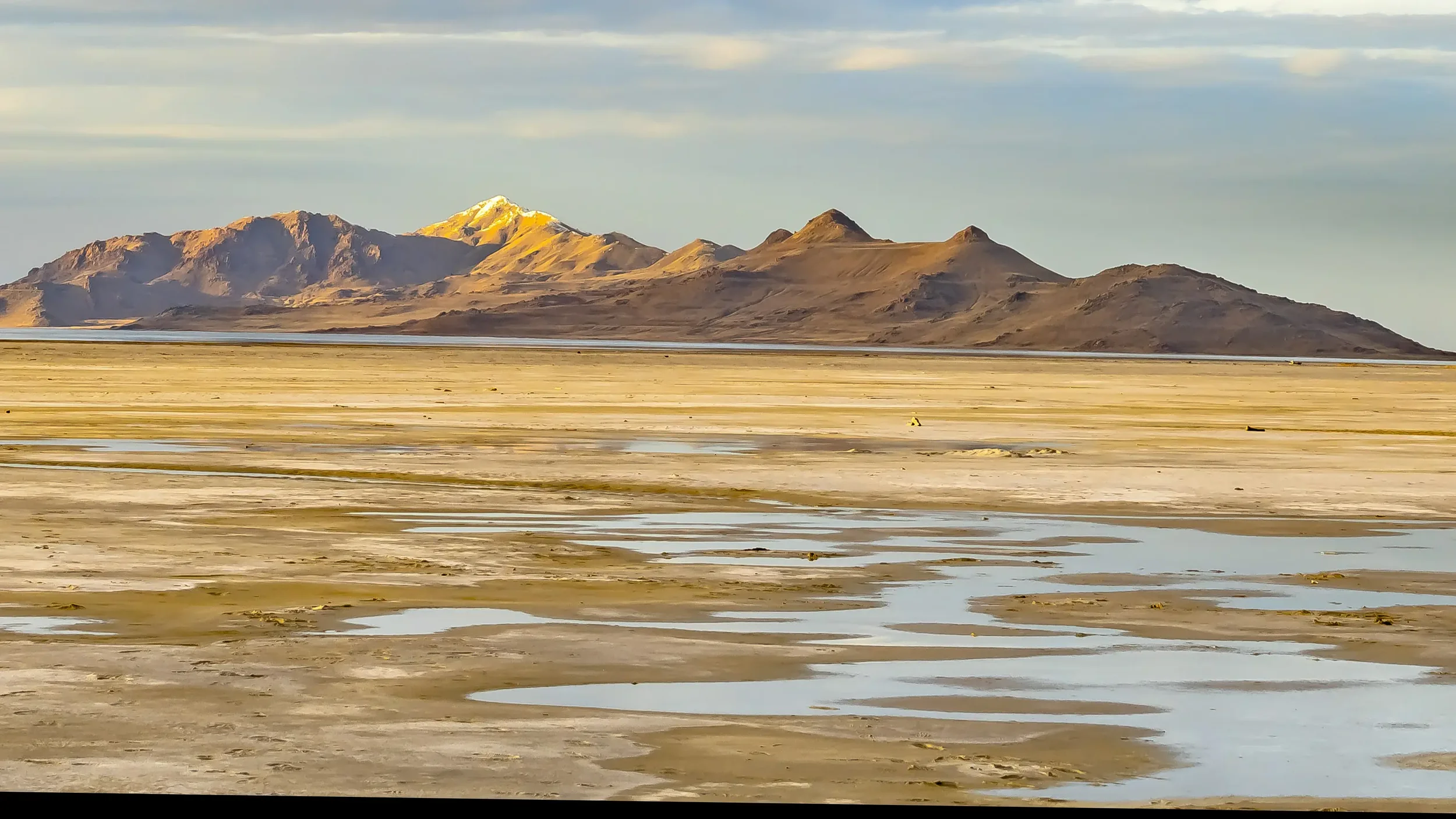
The Great Salt Lake is drying up. Upstream water diversions approved through decades of mismanagement have shrunk the lake down to a much smaller surface area than the one shown on the Utah highway map. The lake’s dried up lakebed is increasing highly toxic dust storms across northern Utah. This crisis will cost Utah taxpayers some $20+ BILLION over the coming decades.
Despite their promises to save the Great Salt Lake, Utah’s elected officials are putting us on a collision course with the most expensive possible future for Utah — one with tens of billions of dollars in new debt for dust mitigation.
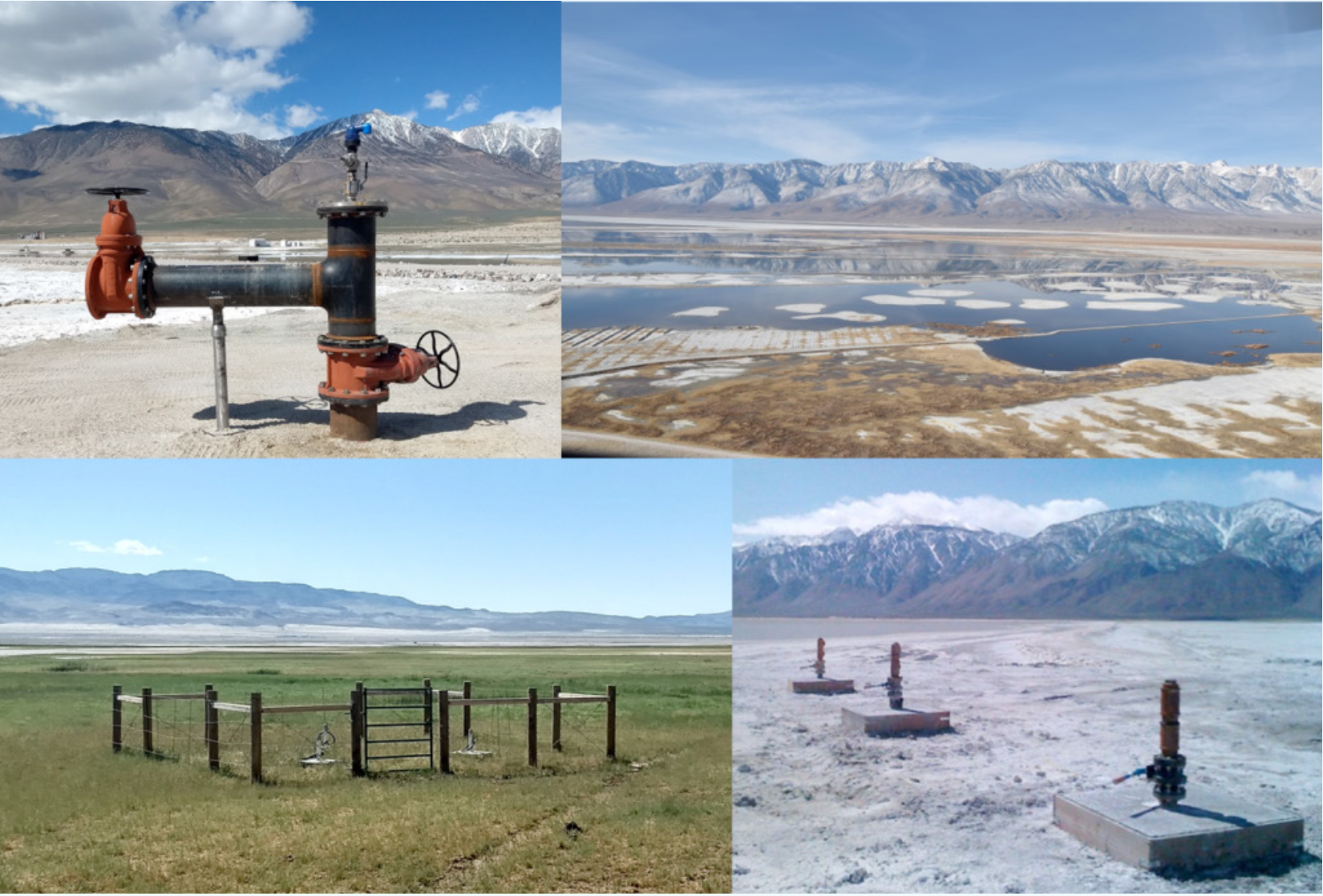
Expensive groundwater pumping infrastructure for dust mitigation at Owens Lake in California.
(Source: Los Angeles Department of Water & Power)
These facts make restoring the Great Salt Lake to 1,600 square miles of surface area the most fiscally-responsible solution. Only by holding our leaders accountable can we avoid this financial calamity and public health disaster. Unfortunately, the Utah water lobby’s $1.2 billion hoax stands in direct contradiction to these goals. The money the water lobby is falsely claiming it needs could be used to build Bear River Development, the single greatest threat to the Great Salt Lake.
Frequently Asked Questions
-
We can learn a lot by studying what happened to Owens Lake in California. Owens Lake dried up in the 1920s after Los Angeles diverted the Owens River upstream of the lake. This created massive dust pollution, forcing Los Angeles Water & Power to install a dust mitigation system of sprinklers, gravel, and vegetation over 20 years that has cost Los Angeles residents $2 billion and counting.
Owens Lake is just one-sixteenth the size of the Great Salt Lake, so dust mitigation at the Great Salt Lake will cost dramatically more than the $2 billion spent at Owens Lake. Constructing a dust mitigation system to mitigate the Great Salt Lake’s toxic dust could cost Utah taxpayers $20+ billion over two decades even if one ignores the costs of roadbuilding on the lakebed.
This is the most expensive alternative for our future, but it’s the one Utah leaders are pursuing. That’s because they refuse to implement more affordable solutions like phasing out tax subsidies that encourage water waste, setting real water conservation goals, and properly regulating upstream water diversions.
-
The Great Salt Lake lakebed is full of toxins because it’s a terminal lake. This means that rivers flow into the lake and deposit any compounds they were carrying into the lakebed. Because rivers pick up industrial runoff, fertilizers, and other pollutants, these pollutants concentrate in the lakebed every year. This accumulation of manmade pollutants has been going on for nearly two centuries.
When the Great Salt Lake is full, water covers the lakebed, thereby covering these pollutants. But when the Great Salt Lake shrinks, the lake’s dust is exposed and carried downwind toward population centers. Harmful toxins tag along with this dust, exposing people to myriad possible health problems, including asthma, cancer, strokes, birth defects, and decreased fertility rates.
If nothing is done, this toxic dust will make Northern Utah unlivable. This failure will result in a collapse of the economy, a housing market catastrophe, and an exodus out of our beautiful state.
-
Proposed Bear River Development is a $3–5 billion water project that would include 3–5 new reservoirs and a pipeline from the Bear River, the single largest source of surface water to the Great Salt Lake. This project would expedite the lake’s collapse, and it has been advancing for decades behind closed doors. It’s physically impossible to save the Great Salt Lake while increasing upstream diversions on the Bear River, so Bear River Development is one of the largest local threats to an affordable and livable future for Utah.
Bear River Development is one of the few real projects included in the original list of water expenses from 2014 that became the nucleus for the Utah water lobby’s hoax.
Stay Informed.
Get updates about the campaign to stop the tax.